
Wheel alignment is the process of adjusting your vehicle's suspension to ensure all wheels are positioned at the correct angles relative to each other and the road. Proper alignment ensures optimal tire contact, vehicle handling, and ADAS sensor accuracy.
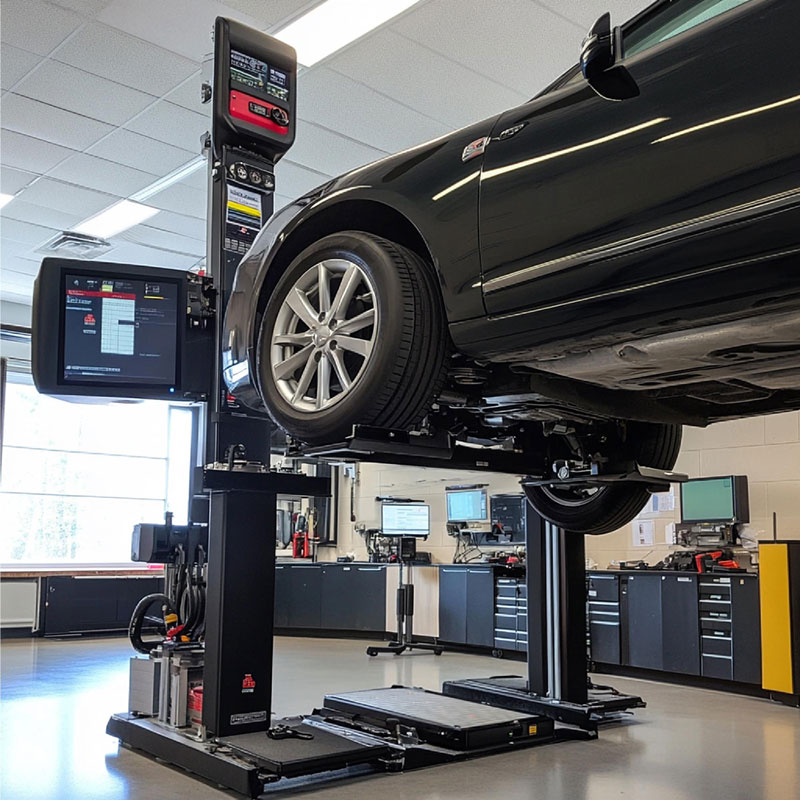
Regular wheel alignment checks and adjustments are essential for maintaining vehicle safety, tire life, and ADAS system accuracy.

Any impact that affects the suspension, steering, or chassis can cause misalignment.
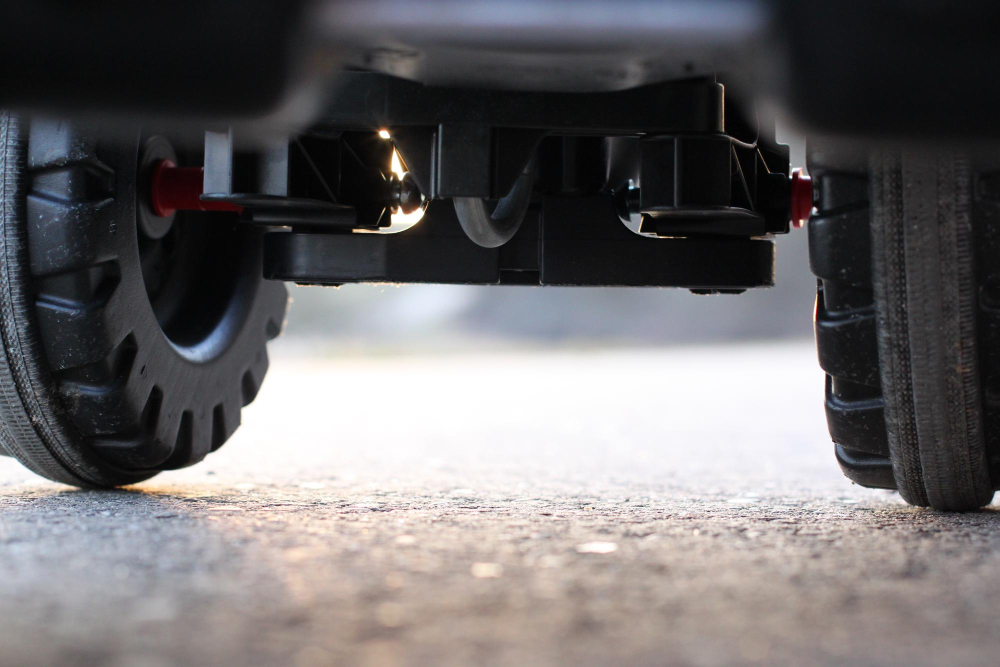
If tires are wearing unevenly or more on one side, it indicates alignment issues.

When your car drifts or pulls to the left or right while driving straight, it's a sign that alignment may be off.

Many manufacturers recommend aligning wheels whenever new tires are installed or during regular service intervals.

Replacement of shocks, struts, tie rods, or control arms can disturb wheel alignment.

If your steering wheel isn't centered when driving straight, an alignment is needed.

Excessive vibration or shaking at higher speeds can be caused by misaligned wheels.

Any work that affects the vehicle's frame or suspension system should be followed by an alignment check.
Modern vehicles with Advanced Driver Assistance Systems (ADAS) require precise wheel alignment for optimal safety system performance. Misaligned wheels can affect the positioning and accuracy of forward-facing cameras, radar sensors, and other ADAS components.
When wheel alignment affects vehicle geometry or ride height, ADAS recalibration may be required to ensure cameras and sensors maintain accurate readings. At TRUE ADAS Solutions Canada, we can perform both services together for complete peace of mind.
We understand the relationship between wheel alignment and ADAS systems. Our technicians use computerized alignment equipment and can immediately identify if your ADAS systems need recalibration after alignment service — saving you time and ensuring complete vehicle safety.
How correct alignment improves your driving experience

Proper alignment prevents uneven wear, helping your tires last up to 25% longer and saving money.

Correct alignment reduces rolling resistance, improving fuel economy by up to 10%.

Vehicles with proper alignment handle better, respond more predictably, and are safer to drive.

Proper alignment ensures stable, predictable vehicle control in all driving conditions.

Correct alignment maintains proper sensor positioning for accurate ADAS performance.

Proper alignment reduces stress on suspension components, extending their service life.
Contact us today to schedule your appointment with our certified technicians